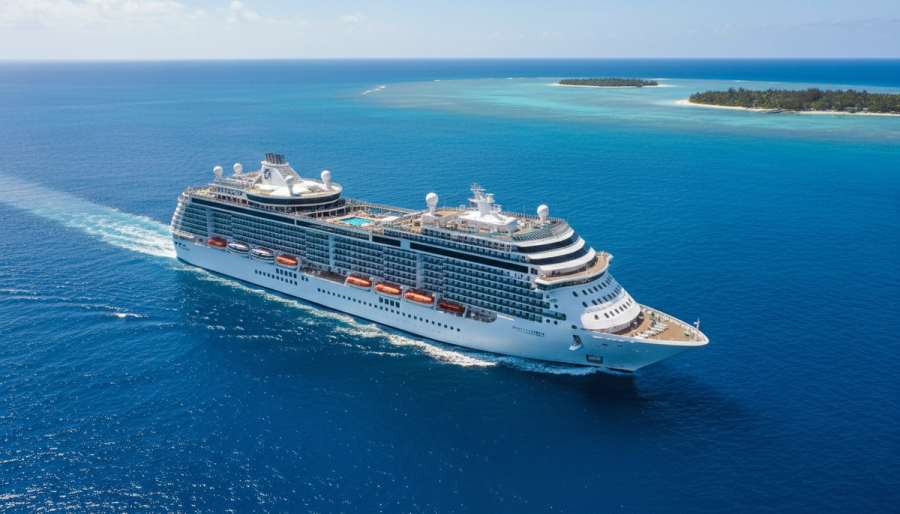
Cruising is one of the most popular travel choices for adults over 50 — and for good reason. It's a uniquely convenient way to visit multiple destinations without packing and unpacking, and the all-inclusive nature makes budgeting straightforward. But your first cruise can also be overwhelming if you don't know what to expect.
Here's an honest, practical guide to make your first cruise experience great.
Choosing the Right Cruise Line
Not all cruise lines are created equal, and the best one for you depends on what you value most. For a premium, quieter experience with excellent dining, consider lines like Holland America, Celebrity, or Viking. These tend to attract a more mature crowd and focus on enrichment over party atmosphere. For the best value with broad appeal, Royal Caribbean and Norwegian offer a wide range of activities and dining options at competitive prices. For a luxury, all-inclusive experience, Oceania, Silversea, and Regent Seven Seas include beverages, gratuities, and excursions in the fare — eliminating surprise costs.
Choosing Your Cabin
Your cabin choice significantly affects your experience and budget. Inside cabins are the most affordable but have no natural light or view. Good if you plan to spend most of your time outside the cabin. Ocean-view cabins have a window (sometimes a porthole) and cost moderately more. Balcony cabins are the sweet spot for most over-50 travelers — having your own outdoor space to enjoy morning coffee or watch a sunset is worth the upgrade. Suites are spacious and often come with perks like priority boarding and dedicated dining, but the premium is significant.
Tip: midship cabins on lower decks experience the least motion — important if you're concerned about seasickness.
Packing Smart
Overpacking is the most common first-time cruise mistake. Most cruises have one or two formal nights — a sport coat or cocktail dress will do. Bring layers for changing temperatures between ship and ports. Comfortable walking shoes are essential for port excursions. Pack any medications in your carry-on bag, not your checked luggage. Bring a small daypack for shore excursions.
Health and Wellness on Board
Cruise ships have medical facilities, but they're limited and expensive. Bring enough of all medications for your entire trip plus extra days in case of delays. Wash your hands frequently — norovirus is the most common cruise illness. Stay hydrated — the combination of sun, alcohol, and air conditioning can dehydrate you faster than you realize. Use sunscreen generously, especially on sea days when the reflection off the water intensifies UV exposure.
Essential D from TriVita is easy to pack and helps maintain your vitamin D levels during travel — supporting immune health, bone strength, and energy when your routine is disrupted.
Getting the Best Price
Book early for the best cabin selection, or book last-minute for the best prices — the middle ground is usually the worst value. Consider repositioning cruises (one-way voyages when ships change seasonal routes) for dramatic savings. Travel during shoulder season — May, September, and early October often have better weather and lower prices than peak summer. Look for inclusive pricing that bundles beverages, Wi-Fi, and excursions — it often saves money over paying a la carte.
The Bottom Line
A cruise can be one of the most enjoyable and stress-free travel experiences available — especially for adults over 50 who value comfort, convenience, and seeing multiple destinations in one trip. Choose the right line for your style, pack wisely, and don't forget to look up from your phone and enjoy the ocean view.